
18 March 2026 — The War That Wouldn’t End: Oil, Inflation, and a More Dangerous Phase
When a Shorter War Becomes a Longer War: The Spring Oil Has Gone From Nuisance to Problem
March 18, 2026
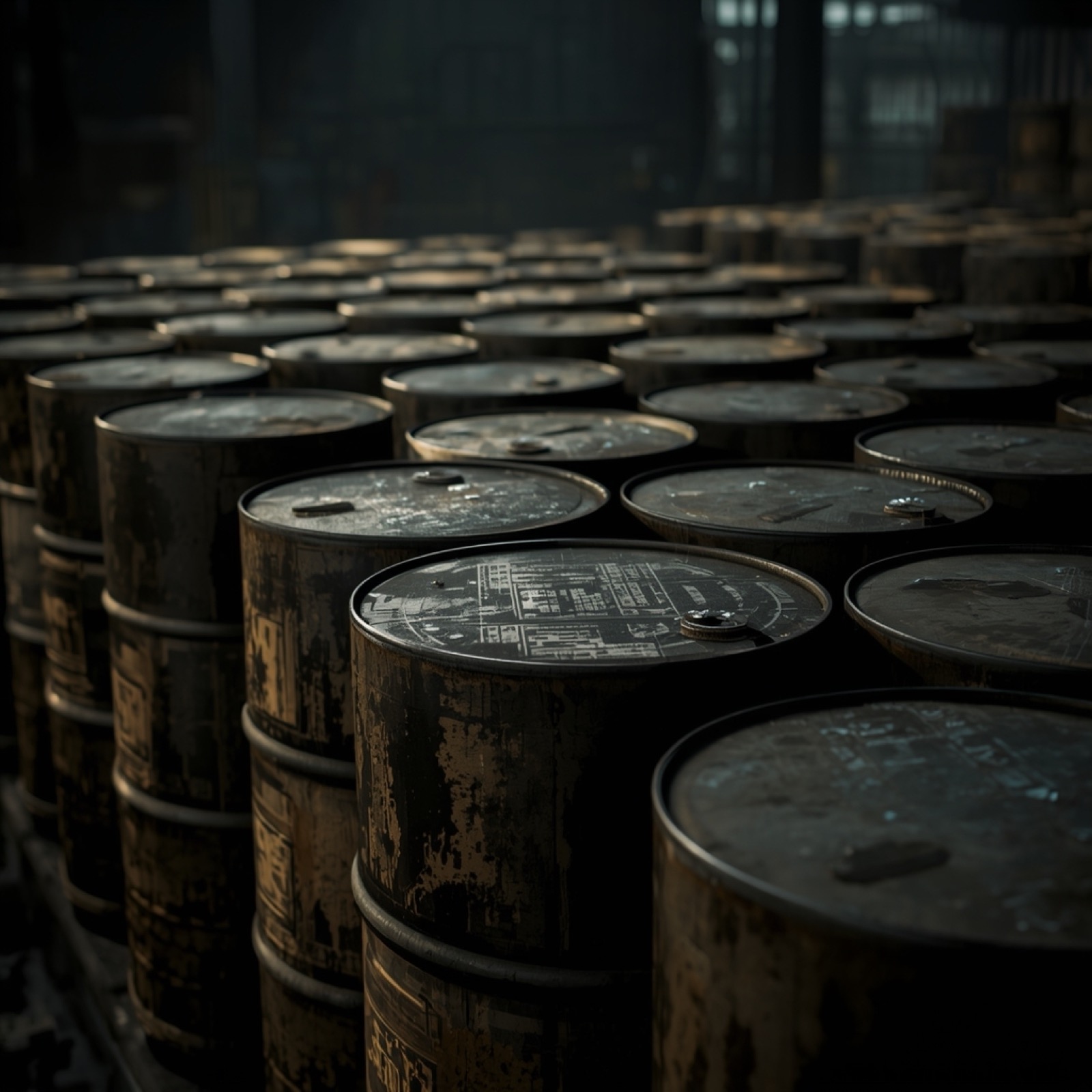
The ceasefire reached at the end of June last year was described as permanent. It has proved to be only a long pause. On 28 February, a far more serious confrontation began. Co-ordinated U.S.-Israeli strikes against Iranian nuclear and missile sites were followed within hours by Iranian missile attacks on Saudi and Qatari oil infrastructure — the targets spared last summer. Drones have damaged Saudi Arabia’s largest refinery at Ras Tanura and Qatar Energy’s export facilities. Tanker traffic through the Strait of Hormuz has been suspended. Shipping insurers have withdrawn cover.¹
The market reaction is far more durable than last year’s. Brent crude, trading around $72 at the start of the year, jumped 15% by 5 March to approximately $83. U.S. gasoline has surged above $4 per gallon for the first time since late 2023.² Gold has set a new record above $3,000. The VIX jumped to 27.8, its highest since last April’s tariff shock. Three things distinguish this shock: Gulf oil infrastructure has been directly hit; the strait is effectively closed (not by decree but by the collapse of shipping insurance); and neither side has an easy exit.
Research by Federal Reserve Bank of Dallas economists published this month estimates that even a two-quarter closure would add between 0.8 and 1.8 percentage points to U.S. inflation this year — reversing much of the progress of the previous three years.³ For the Fed, this is the worst possible news. Powell’s bank spent three years bringing inflation down from the 9.1% peak of June 2022; it cut rates three times during 2025. Today the Fed has held rates at 3.50–3.75% and Powell is signalling that further cuts are unlikely until the oil situation clarifies.⁴
Stock markets, which entered this month near record highs, have finally cracked. The S&P 500 has fallen roughly 8% since 28 February. European equities have given back several months of gains. But the sell-off has been orderly — the VIX at 27.8 is nowhere near the 52 of last April or the 65 of August 2024. Some corners are thriving: energy shares are posting their best month since the invasion of Ukraine; defence contractors are rallying; government bonds are attracting buyers as investors seek safety. Ray Dalio, on LinkedIn on 8 March, situated the war within his “Big Cycle” framework — rising great-power tensions, heavy debts and fraying co-operation, as in the 1930s.⁵
For an ordinary investor, the question is not what happens next — unknowable — but whether your portfolio is built to survive a range of outcomes. The last three and a half years have provided extraordinary tests: a forty-year-high inflation peak, bank failures, the AI explosion, two Middle Eastern wars, the steepest tariff shock in ninety years. Anyone who tried to navigate these individually, buying on good news and selling on bad, almost certainly ended up poorer. Anyone who stayed in a diversified portfolio almost certainly ended up richer. The simpler lessons — diversify, stay invested through panics, do not try to time geopolitics — have survived this remarkable stretch.
References
-
Wikipedia, Economic impact of the 2026 Iran war.
https://en.wikipedia.org/wiki/Economic_impact_of_the_2026_Iran_war -
CNBC, Iran war disrupts oil prices, 10 March 2026.
https://www.cnbc.com/2026/03/10/iran-war-spikes-oil-prices-consumers.html -
Kilian, Plante, Richter, Zhou, Impact of the 2026 Iran War on U.S. Inflation, Dallas Fed Working Paper, March 2026.
https://www.dallasfed.org/~/media/documents/research/papers/2026/wp2609.pdf - Federal Reserve FOMC statement, 18 March 2026.
-
Ray Dalio, LinkedIn essay, 8 March 2026.
https://www.linkedin.com/in/raydalio/